

How Can Wireless Water Meters Revolutionize Water Management?
In an era where smart technologies are reshaping urban infrastructure, Wireless Water Meters are emerging as a pivotal solution for efficient water monitoring and management. These advanced devices integrate wireless communication with precise measurement technology, offering real-time data collection, remote monitoring, and accurate billing for residential, commercial, and industrial applications.
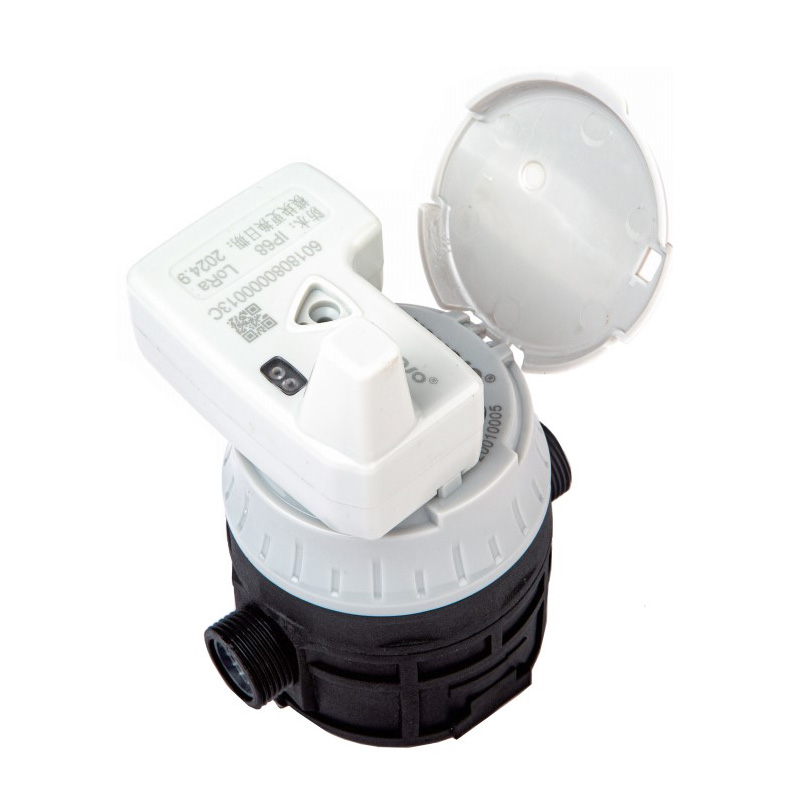
How Do Wireless Water Meters Work and What Technologies Are Involved?
Wireless water meters operate by combining flow measurement sensors with wireless communication modules. The sensors, typically ultrasonic or electromagnetic, track water consumption with high precision. This data is then transmitted via low-power communication protocols such as LoRaWAN, NB-IoT, or RF (radio frequency) to a central server or cloud platform for processing.
Key Operational Features:
-
Remote Data Transmission: Eliminates the need for manual readings, reducing operational costs and human error.
-
Real-Time Monitoring: Provides instant insights into water usage patterns, leakage detection, and consumption anomalies.
-
Energy Efficiency: Battery-powered meters can operate for 5–10 years without replacement due to low-power communication protocols.
-
Integration with Smart Systems: Compatible with smart city platforms and IoT-enabled infrastructure.
Technical Parameters of a Typical Wireless Water Meter:
| Parameter | Specification |
|---|---|
| Measurement Range | 0.03–6 m³/h (residential), 0.5–50 m³/h (industrial) |
| Accuracy Class | Class B / ±2% |
| Communication Protocol | LoRaWAN, NB-IoT, RF, Zigbee |
| Power Supply | Lithium battery, 3.6V, 5–10 years lifespan |
| Temperature Range | -20°C to 60°C |
| Pressure Rating | Up to 16 bar |
| Data Transmission Frequency | Every 15 minutes / configurable |
| Housing Material | Brass, Stainless Steel, or Composite |
| Display | LCD/LED with flow rate and total usage |
Wireless water meters are equipped with self-diagnostic capabilities, alerting users to anomalies such as reverse flow, leak detection, or battery depletion. By centralizing data collection, municipal water authorities and facility managers can optimize resource allocation and detect irregularities that would be missed with traditional mechanical meters.
How Do Wireless Water Meters Improve Efficiency and Cost Savings?
Efficiency gains and cost savings are among the primary drivers for adopting wireless water meters. Unlike mechanical meters that require manual readings, wireless solutions provide accurate, automated data collection, significantly reducing labor costs. Additionally, they improve billing accuracy and transparency, minimizing disputes between water providers and consumers.
Advantages of Wireless Water Meters:
-
Leak Detection and Prevention: Continuous monitoring enables early detection of leaks, preventing wastage and expensive infrastructure damage.
-
Reduced Operational Costs: Automated readings eliminate the need for frequent field visits, saving time and labor.
-
Enhanced Customer Engagement: Consumers can access their real-time usage data via mobile apps, encouraging responsible water consumption.
-
Data-Driven Decision Making: Utilities can leverage detailed consumption analytics to optimize water distribution and plan maintenance schedules.
-
Environmental Impact: Efficient water management reduces resource waste and supports sustainable practices.
Common Questions About Wireless Water Meters
Q1: How long does the battery in a wireless water meter last?
A1: Typically, batteries in wireless water meters last between 5–10 years depending on the communication frequency and environmental conditions. Advanced meters optimize power usage by transmitting data at configurable intervals and entering low-power sleep modes when not transmitting.
Q2: Can wireless water meters detect leaks automatically?
A2: Yes. Most wireless water meters are equipped with sensors and algorithms to detect abnormal flow patterns, such as sudden spikes or continuous low flow, which indicate potential leaks. Alerts can be sent to the utility or property manager for immediate action.
By incorporating these features, wireless water meters not only enhance operational efficiency but also improve user engagement, transparency, and long-term water resource sustainability.
How Are Wireless Water Meters Shaping the Future of Smart Cities?
As urban populations grow and water scarcity becomes more pressing, cities are increasingly relying on intelligent water infrastructure. Wireless water meters are at the forefront of this transformation, integrating with IoT ecosystems to provide actionable insights for utilities, policymakers, and end-users.
Future Trends in Wireless Water Meter Technology:
-
AI-Powered Analytics: Leveraging machine learning to predict water demand, identify leaks, and optimize distribution.
-
Blockchain Integration: Ensuring secure and tamper-proof water usage records for smart billing and regulatory compliance.
-
Renewable Energy Integration: Solar-powered water meters for off-grid installations, improving sustainability.
-
Enhanced Communication Standards: Adoption of 5G networks for higher data throughput and faster response times in urban areas.
-
Miniaturization and Durability: Advanced materials and compact designs for easier installation and extended service life.
By enabling predictive maintenance, real-time monitoring, and sustainable resource management, wireless water meters are redefining the efficiency and resilience of urban water systems. Municipal authorities and utility providers can optimize infrastructure, reduce operational costs, and improve customer satisfaction, ultimately supporting smart city objectives.
How to Choose the Right Wireless Water Meter and Why Wenling Younio Water Meter Co., Ltd Stands Out
Selecting the right wireless water meter requires careful consideration of application requirements, including flow range, communication protocol, installation environment, and data integration capabilities. Residential, commercial, and industrial applications may demand different specifications, so evaluating technical parameters and vendor support is essential.
Factors to Consider:
-
Accuracy and Reliability: Ensure the meter meets local regulatory standards and maintains precision over long-term operation.
-
Communication Compatibility: Choose a meter that supports integration with existing IoT infrastructure or utility management platforms.
-
Maintenance and Support: Opt for a provider offering robust after-sales support, software updates, and service assistance.
-
Durability: Assess the meter’s resistance to environmental stress, including temperature, pressure, and water quality variations.
Wenling Younio Water Meter Co., Ltd provides a comprehensive range of wireless water meters designed for precision, durability, and smart connectivity. Their products incorporate advanced sensors, long-life batteries, and flexible communication options, ensuring seamless integration into modern water management systems. By combining cutting-edge technology with reliable manufacturing standards, the company supports both large-scale municipal deployments and individual residential installations.
For inquiries or further information, customers are encouraged to contact us, where professional consultation and tailored solutions are available for all water monitoring needs.
Previous:Explore water meters